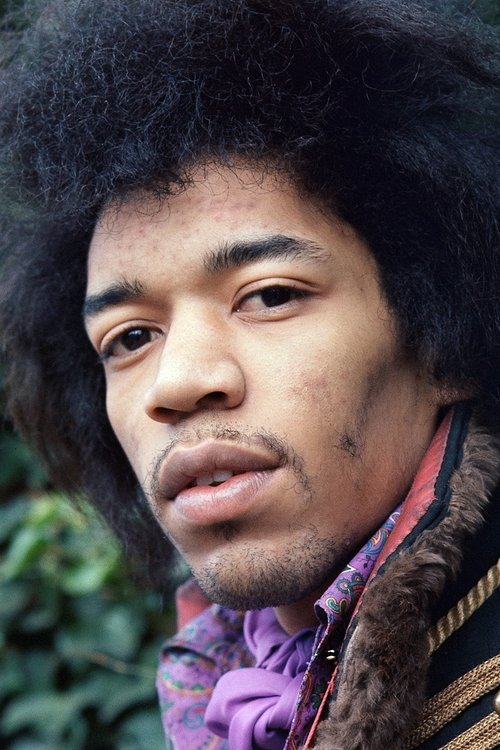
Jimi Hendrix

Jimi Hendrix

Acting 1942-11-27 Seattle, Washington, USA

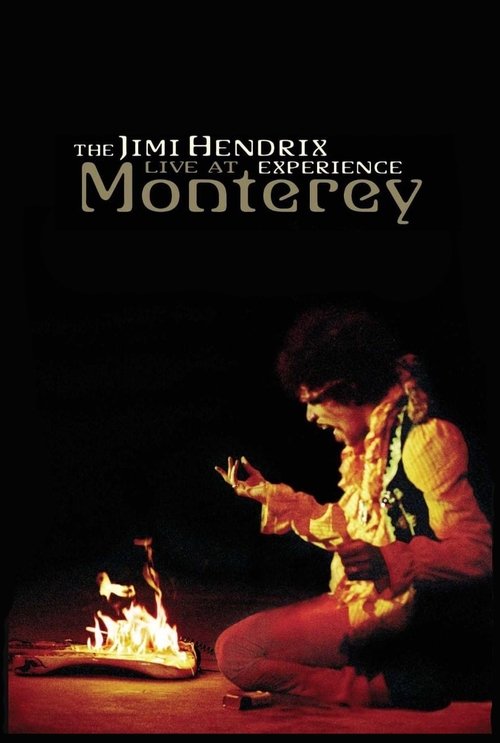
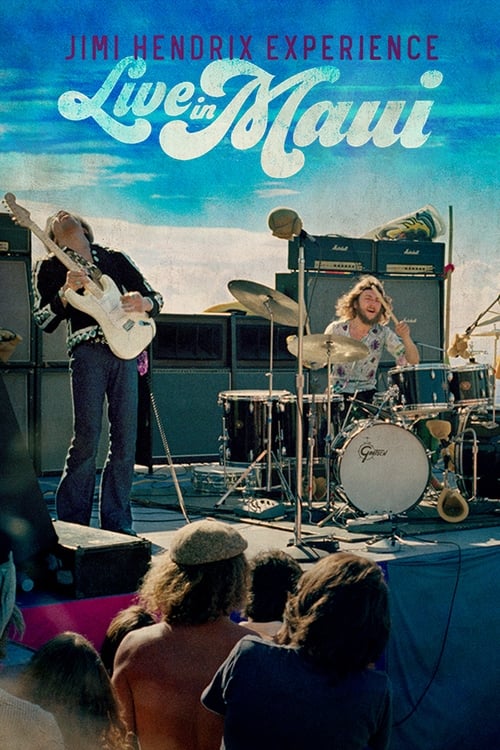
James Marshall "Jimi" Hendrix (born Johnny Allen Hendrix; November 27, 1942 – September 18, 1970) was an American guitarist, singer, and songwriter. He is widely regarded as one of the greatest and most influential guitarists of all time. Inducted into the Rock and Roll Hall of Fame in 1992 as a part of his band, the Jimi Hendrix Experience, the institution describes him as "arguably the greatest instrumentalist in the history of rock music". Hendrix began playing guitar at age 15. In 1961, he enlisted in the US Army, but was discharged the following year. Soon afterward, he moved to Clarksville, then Nashville, Tennessee, and began playing gigs on the Chitlin' Circuit, earning a place in the Isley Brothers' backing band and later with Little Richard, with whom he continued to work through mid-1965. He then played with Curtis Knight and the Squires. Hendrix moved to England in late 1966, after bassist Chas Chandler of the Animals became his manager. Within months, he had formed his band, the Jimi Hendrix Experience (with its rhythm section consisting of bassist Noel Redding and drummer Mitch Mitchell), and achieved three UK top ten hits: "Hey Joe", "Purple Haze", and "The Wind Cries Mary". He achieved fame in the US after his performance at the Monterey Pop Festival in 1967. His third and final studio album, Electric Ladyland (1968), became his most commercially successful release and his only number one album on the US Billboard 200 chart. The world's highest-paid rock musician, Hendrix headlined the Woodstock Festival in 1969 and the Isle of Wight Festival in 1970. He died in London from barbiturate-related asphyxia in September 1970, at the age of 27. Hendrix was inspired by American rock and roll and electric blues. He favored overdriven amplifiers with high volume and gain, and was instrumental in popularizing the previously undesirable sounds caused by guitar amplifier feedback. He was also one of the first guitarists to make extensive use of tone-altering effects units in mainstream rock, such as fuzz distortion, Octavia, wah-wah, and Uni-Vibe. He was the first musician to use stereophonic phasing effects in recordings. Holly George-Warren of Rolling Stone commented: "Hendrix pioneered the use of the instrument as an electronic sound source. Players before him had experimented with feedback and distortion, but Hendrix turned those effects and others into a controlled, fluid vocabulary every bit as personal as the blues with which he began." Description above from the Wikipedia article Jimi Hendrix, licensed under CC-BY-SA, full list of contributors on Wikipedia.​

代表作

📜

全部作品

2025 Music
2024 Self (archive footage)
2023 Self (archive footage)
2022 Self (archive footage)
2021 Self (archive footage)
2020 Self (archive footage)
展开全部作品
2020 Self (archival footage)
2020 Self (archive footage)
2019 Self (archive footage)
2018 Self (archive footage)
2015 Self (archive footage)
2013 Self - Musician (archive footage)
2010 Self - Guitar, Lead Vocals
2010 Self
2009 Self (archive footage)
2008 Self (archive footage)
2007 Self
2005 Self (archive footage)
2005 Self - Guitar / Self - Vocals
2005 Self (archive footage)
2004 Self (archive footage)
2003 Self - Guitar, Lead Vocals
2002 Self (archive footage)
1999 Self - Guitar, Lead Vocals
1997 Self (archive footage)
1994 Self (archive footage)
1994 Self
1994 Self (archive footage)
1992 Self (archive footage) (uncredited)
1987 Self (archive footage)
1984 Self
1983 Self (archive footage)
1977 Self (archive footage)
1973 Self (archive footage)
1972 Self
1971 Self (archive footage)
1970 Self - Vocals, Guitar
1969 Self (Guitar and Vocals)
1969 Self
1968 Self
1968 Jimi Hendrix
1968 Self
1968 Self - Guest
1967
1967 Self
1965
1965 Self
1963 Self
Self (archive footage)