Hubert von Meyerinck

Hubert von Meyerinck

Acting 1896-08-23 Potsdam, Germany

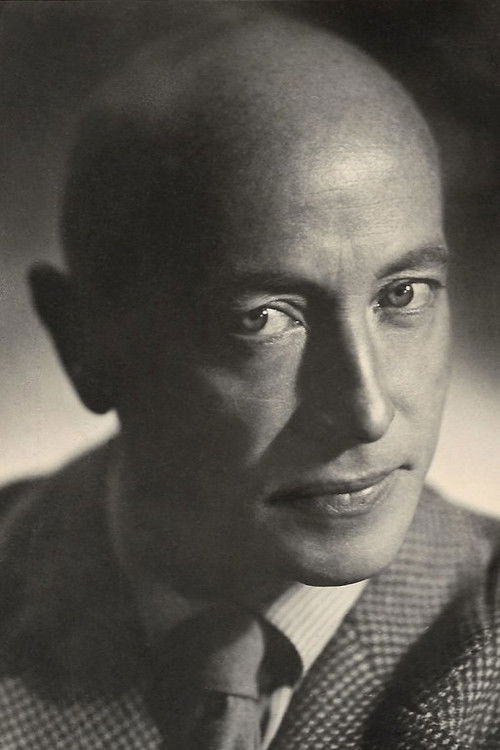
Hubert von Meyerinck was born in Potsdam on August 23, 1896, the son of a major. After his parents divorced, he was raised by his mother. From an early age he showed a strong interest in acting and began taking lessons as a child, despite his parents’ wish that he pursue a career as a priest. After completing school, he was drafted into military service during World War I but was discharged shortly afterward for health reasons. In 1917, he made his stage debut at the Berliner Schauspielhaus as Lieutenant von Hagen in "Kolberg." Following an engagement at the Hamburger Kammerspiele from 1918 to 1920, he performed at numerous Berlin theatres and variety venues, including the revue "Es liegt was in der Luft" alongside Marlene Dietrich. He earned acclaim both for his cabaret performances at the famed Tingeltangel and for dramatic stage roles such as Mephisto in "Faust" and Mackie Messer in "Die Dreigroschenoper." At the beginning of the 1920s, von Meyerinck transitioned to film. After a significant early role in Georg Jacoby’s serial "Der Mann ohne Namen," he appeared in supporting roles in silent films including Artur Robison’s "Manon Lescaut" (1926) and Wilhelm Dieterle’s "Ich lebe für Dich" (1929). His distinctive appearance—bald head, monocle, thin moustache—quickly made him recognizable, and he became a popular character actor. He was often typecast as aristocrats, bourgeois figures, authoritarian officials, eccentrics, or crooks. With the arrival of sound film, his raspy voice further defined his screen persona. Among his notable early sound films were Max Ophüls’ "Die verliebte Firma" (1931/32), Franz Wenzler’s "Wenn die Liebe Mode macht" (1932), and Kurt Gerron’s "Der weiße Dämon" (1932). During the Nazi era, he remained one of Germany’s most prolific and popular supporting actors, appearing in more than 90 productions between 1933 and 1945. These ranged from comedies such as "Ein falscher Fuffziger" (1935) to Willi Forst’s adaptation of Maupassant’s "Bel Ami" (1939) and Helmut Käutner’s "Kitty und die Weltkonferenz" (1939). He also took smaller roles in propagandistic films including "Ein Volksfeind" (1937) and "Trenck, der Pandur" (1940). Although it was widely known that he was homosexual, he was not prosecuted by the regime. In the 1950s and 1960s, von Meyerinck successfully parodied his established authoritarian image in numerous comedies. In 1957 alone he appeared in 13 films, including the popular "Der tolle Blomberg" and "Das Wirtshaus im Spessart." He received the Prize of the German Film Critics in 1960 for "Ein Mann geht durch die Wand" and again in 1961 for "Das Spukschloß im Spessart." Another highlight was his role as an exuberant aristocrat in Billy Wilder’s Cold War satire "One, Two, Three." Between 1965 and 1969, he regularly appeared as Sir Arthur, head of Scotland Yard, in the Edgar Wallace film series. Despite appearing in around 250 films, von Meyerinck remained committed to the stage and joined the ensemble of Hamburg’s Thalia Theatre in 1966. In 1968, he received a lifetime achievement award at the German Film Prize and published his memoirs. He died in Hamburg on May 13, 1971.

代表作

📜

全部作品

1971 Dr. Dingelmeier
1970 Herr Storz
1970 Portier vom Hotel Central
1969 Mr. Most
1969 Sir Arthur
1969 General von Kottwitz
1969 Kardinal
1969 Oberstabsarzt Dr. Treppwitz
1968 Dr. Zwyfalt
展开全部作品
1968 Sir Arthur
1968 Sir Arthur
1968 Wilhelm II.
1967 von Below
1967 General Teckel
1967 Hubert von Kalkofen
1967 Ernst Francken
1967 Gregory Ignatieff
1966 Attorney
1966 General Edward Perkins
1966 Anton
1966 Direktor Scott / Richter
1965 Judge Matthews
1965 Hubert Krempe
1965 Oberstaatsanwalt
1965 Dupont
1964 Direktor Dingelmeyer
1964 Kaiser
1963 Hauptmann Hans Hajo von Gestern
1963 Hoteldirektor
1963 Gustav
1963 Charles
1963 Rittmeister von Rellstab
1962 Friedrich Wilhelm Dünkelberg
1962 Axel Bender, Evelyns Vater
1962 Gustav Säuerling
1962 Herr von Merlyn
1962 Oberst Pusslitz
1962 Freiherr von Mumpitz
1962 Rubin y Soliman
1962 Mandler
1961 Count von Droste Schattenburg
1961 Monsieur Terrier
1961 Walloschek
1961 Mr. Cower
1961 Rechtsanwalt
1961 Kriminalkommissar Wolff
1961 Schulrat
1961 Sheffler
1960 Von Teckel
1959 Polizeichef Pierre Duval
1959 Pickler - Der Bürochef
1959 Versicherungsagent
1959 Szegedy
1959 Orlando
1959 Moritz von Persipan, Kriegsminister
1959 Direktor Bauer
1959 Graf Udo von Pleitenstein
1959 Premierminister Proteus
1958 Kleye
1958 Von Teckel
1958 Major von Siebenstern
1958 Fürst Paul XIII. von Krakelsburg-Kummerstein
1958 Manager Freddy
1958 Alfons Spadolini
1957 Taddäus von Zylinski
1957 Pastor
1957 Jawassis
1957 Dr. Weskamp
1957 Füllkrug
1957 Colonel Manfredi
1957 Dr. Schlucker
1957 Wilhelm Schulze
1957 Wuttke
1957 Herr Lemke, Schauspieler
1957 Generaldirektor Kartzer
1957 Kapitän
1956 Fritz
1956 Geschäftsführer Schnattke
1956 Hauptmann Brothusen
1956 Direktor Landinger
1956 Signore Ricoli
1956 Tutu
1956 Kriegsgerichtsrat Kronberg
1956 Direktor der "Elysée-Bar
1955 Direktor Weber
1955 Weckenberg
1955 Baron Philipp
1955 von Langer, Staatsanwalt
1955 Bieberich
1955 Max
1955 Philipp, Duc de Gramont
1954 Räuber
1954 Felix, Diener
1954 Polizeipräsident a. D. von Regwitz
1954 Director des Lido
1954 Meister Philippe
1953 Hornisse
1953 Kunstreiter
1953 Herr Wilmar, Inhaber Kosmetik-Salon
1953 Textilkaufmann Schulz
1953 Hoteldirektor
1953 Balancourt
1952 Hussa Hussa
1952 Dobnika
1952 Herr vom Empfang
1952 Studienrat Schwarze
1952 Walputzke
1952 Brandini
1952 Maroni
1951 Korinthischer General
1951 Director Meyer
1951 Dr. Paulicke
1951 Professor Orsini
1951 Buchhändler
1951 Neumann
1951 Self
1950 Frank Betterton
1950 Hoteldirektor
1950 Zauberer
1950 Schmoll, Lehrer
1950 Mohrbutter
1950 Baron v. Malachowsky alias Emil Branske
1950 Knirps - Generalsekretärs des Wunderfriseurs
1950 Poule, Verlege
1950 Direktor Cattoni
1950 Oscar
1949 Beamter
1949 Direktor Engelbrecht
1949 Schwarz, Oberkellner
1949 Ein Herr
1949 Wedekind
1949 Ein dunkler Ehrenmann
1949 Ricardo Pisetti - Manager
1949 Ciapollini
1948 Der falsche Biedermann
1948 Der Baron
1948 Raimondo
1948 Self
1945 Max Vieregg
1945 Verwandter des Konsul Henselings
1944 Empfangschef
1943 Prinz Anton Ulrich
1943 Herr von Lorrenz
1943 Möllendorf
1942 Schauspieler Voß
1942 Spießer Karl Eberhard Knopp
1942 Frisör Schön
1941 Dr.Knarre, Sachverständiger
1941 Rat Haschke
1941 Werner Gebhardt
1940 Sir John
1940 Monsieur Louis Borinage
1940 Herr von Sazenthal
1940 Kabarett-Direktor
1940 Auktionator
1940 Bü-Bü
1940
1940 Graf Christian
1940 Ballettmeister Petit
1939 Varenne
1939 Carter
1939 Herzog von Rosalba
1939 Diener Jean
1939 Fähnrich Graf
1939 Kuhlemanns Komplize
1939 Knillich
1939 Verkäufer im Sportgeschäft
1939 2. Theaterdirektor in Stockholm
1939 Pizzi
1938 Graf Rasumirksi
1938 Hotelgast
1938 Chef des Modesalons
1938 Tanzmanager
1938 Ricin
1938 Riedmüller
1938 Reporter Droste
1937 Oskar Brenner
1937 Marquis de Rossignol
1937 Polizeipräfekt
1937 Redakteur Fink
1937 Dr. Elk
1937 Kammerdiener der Prinzessin
1936 Theo
1936 Marquis de la Tours, ein Betrüger
1936 Rittmeister von Schlackberg
1936 Dr.Hofreuter - Rechtsanwalt
1936 Apotheker Knullingen
1936 Vetter Max
1936 Borodin
1935 Marcel Steiner, Direktor des Salon 'Flora'
1935 Degenfels
1935 Müller, Reisender
1935 Wallner, Betrüger
1935 Rittmeister Lensberg
1935 Lopuchin
1935 Lenoir
1935 Maxwell, ein dunkler Ehrenmann
1935 Von Beichlingen
1935 André Nicol
1935 Kusjmitsch von Prschitschkin
1935 Direktor Hollmann
1935 Louis Grevenelle
1935 Baron von Petersen
1935 Vicomte d'Aubert
1934 Werner Dux
1934 E.W. Costa
1934 Banker Lyngel
1934 Graf Squeelen, erster Botschaftsrat
1934 Georg
1934 Karlchen Wolf
1933 Hauptmann Gordon
1933 Flügeladjutant
1933 Gast
1933 Der Kellner im Hotel Ritz
1933 Konsulatssekretär
1933 Graf von Syringen
1933 Conny
1932 Darmont's Cook
1932 Mr. Farell
1932 Marquis d'Esquillon
1932 Fritz Willner - Filmautor
1932 Schneckendorf
1931 Museumsführer
1931 Pastor
1931 Baron Stechling
1930 Benno von Klewitz - Leutnant
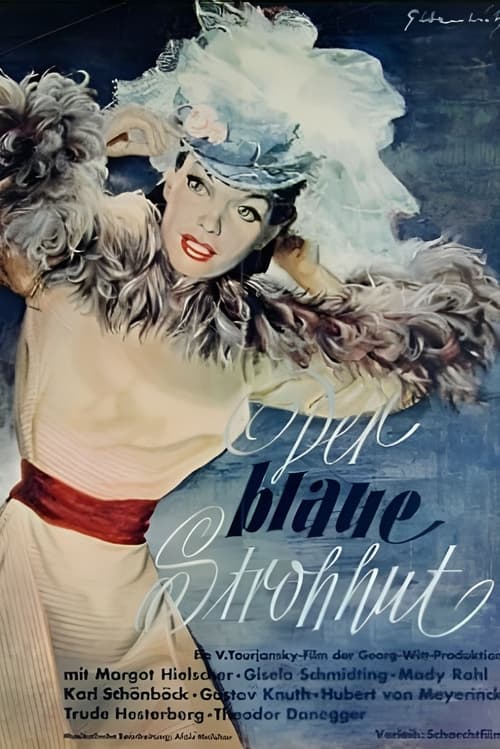
1929 Scherbe
1929 Schaffner
1928 Nevin
1928 Graf Cobenzl
1928 3. Ehemann
1928 Duc d'Orléans
1927 Heino
1926 Der Junge de Bli
1926 Man on Party
1926 Ein Liebhaber