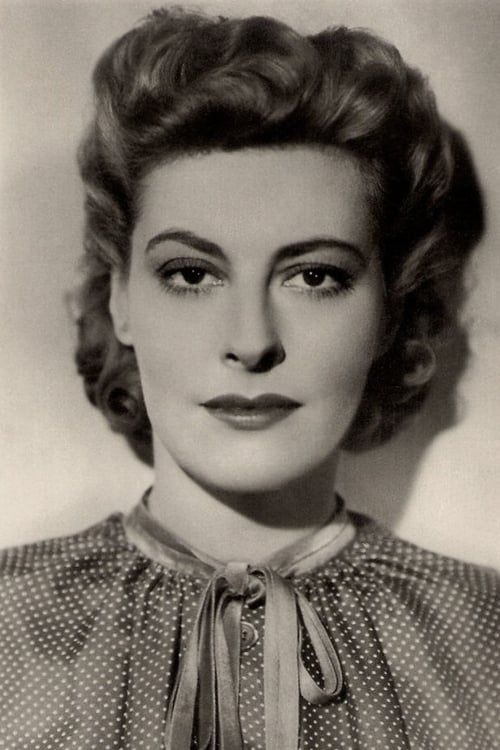
Marianne Hoppe

Marianne Hoppe

Acting 1909-04-26 Rostock, Germany

Born in Rostock, Hoppe became a leading lady of stage and films in Germany. She was born into a wealthy landowning family and was initially privately educated on her father's private estate. Later she attended school in Berlin and in Weimar, where she began to attend theatre.[1] Hoppe first performed at 17 as a member of Berlin's Deutsches Theater under director Max Reinhardt. In 1935 she was hired by the controversial German actor and Director of the Prussian State Theatre under the Third Reich, Gustav Gründgens. They were married from 1936-46, until their divorce. Speaking years after the marriage had ended Hoppe stated, "He was my love, but never my great love, that was work."[1] One of the characters in the film Mephisto was reportedly based on her. Hoppe made no secret of her contacts with the Nazi elite in the 1930s/40s, including being invited to dinner by Hitler.[2] Her role in Der Schimmelreiter (The Rider of the White Horse, 1934) made her famous almost overnight, while her "Aryan" face made her a darling of the Nazi elite.[1] Later Hoppe would label this period of her life as "the black page in my golden book".[1] During her time acting at the home of the Prussian State Theatre, the Schauspielhaus, Hoppe developed her analytical approach to acting, which she stated consisted in her "taking apart every sentence" and giving the use of language a brilliance. This method was to be associated with Hoppe throughout her working life.[1] In 1946 her only child, Benedikt Johann Percy Gründgens, was born. Four years later after her divorce from Gründgens, Hoppe had a great success as Blanche Dubois in Tennessee Williams's A Streetcar Named Desire, and increasingly played avant-garde roles, written by authors such as Heiner Muller (Quartett, 1994) and Thomas Bernhard, who became her partner in private life as well. She became a favourite of the young and iconoclastic directors Claus Peymann, Robert Wilson and Frank Castorf. Hoppe died in Siegsdorf, Bavaria, in 2002 from natural causes, aged 93. "German theater has lost its queen", said Claus Peymann of the Berliner Ensemble, whose theatre featured Hoppe's last performance, in Bertolt Brecht's Resistible Rise of Arturo Ui, in December 1997.[2] In one of her last interviews Hoppe stated, "I have a go at happiness every day. That takes discipline, a virtue every halfway decent actor should have."

代表作

📜

全部作品

2017 Various Roles (archive footage)
1998 Self
1991 Frau Weinstein
1991 Maximiliane
1990 Self
1989 Hedwig Schuster
1989 Self
1988 Gräfin Hohenlohe
展开全部作品
1988 Thea Ammer
1987 Herself
1986 Self
1986 Claire Maetzig
1984 Zweite Frau Professor
1984 Self
1983 Marianne
1983 Self
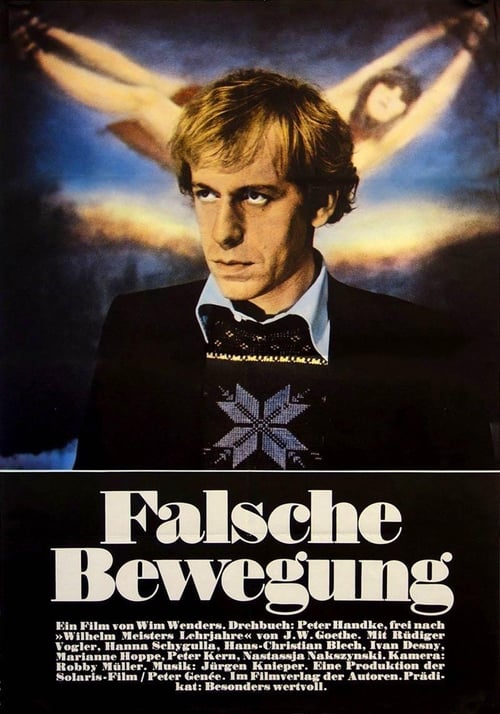
1981 Mutter
1981 Elisabeth v. Ardenne
1980 Self
1979 Tante Doda
1979 Self
1978 Mother
1977 Johanna Martinek
1977 Charlotte Steinburger
1975 Mother
1975 Tante Thea
1975 Präsidentin
1974 Self
1970 Witness
1969 Mrs. Bryant
1969 Johanna Blago
1969 Lotte Boszilke
1969 Amalie Schöndorf
1969 Charlotte Echte
1968 Herzogin von Gloster
1967 Selma Selig
1967 Madame Brassac
1966 Madame Hunter
1965 Elsa Grohmann
1965 Die Zeit
1964 Mrs. Brendel
1964 Edna Selby
1964 Patricia Taylor
1964 Self
1963 Iokasta
1963 Self
1962 Mrs. Butler
1962 Generalin
1962 Henriette Flamm
1961 Mary Pinder, verw. Moron
1958 Martha Krapp
1955 Self
1954 Helga Dargatter
1951 Self
1950 die Frau
1949 Irene Scholz
1948 Johanna Stegen alias Luscha
1948 Self
1945 Lenore Carius
1944 Julia Bach
1943 Madeleine
1942 Felicitas Iversen
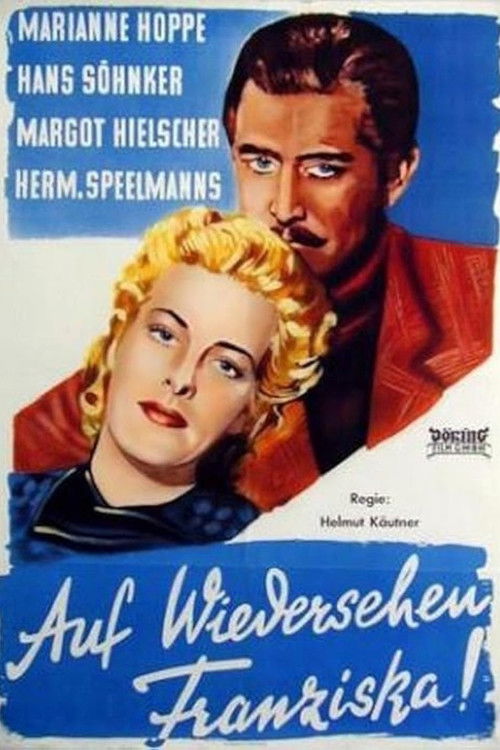
1941 Franziska Tiemann
1939 Renate Brinkmann
1939 Effi Briest
1937 Mabel Atkinson
1937 Inken Peters
1937 Gabriele Brodersen
1936 Hester
1936 Marie
1935 Regine Kessler
1935 Käthe Liebenow
1935 Hella Bergson
1935 Maria Schönborn, Verkäuferin im Blumenhaus Floris
1934 Elke Volkerts
1934 Johanna Luerssen
1934 Anna
1933 Josefa
1933 Ursula Diewen