Friedrich Hollaender

Friedrich Hollaender

Sound 1896-10-18 London, UK

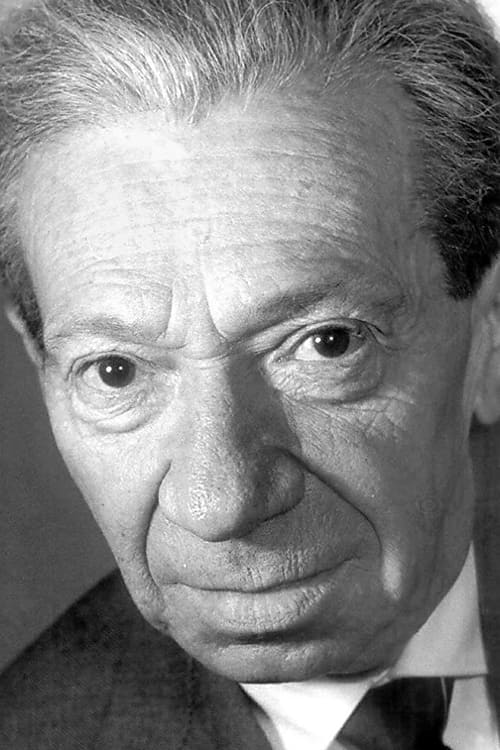
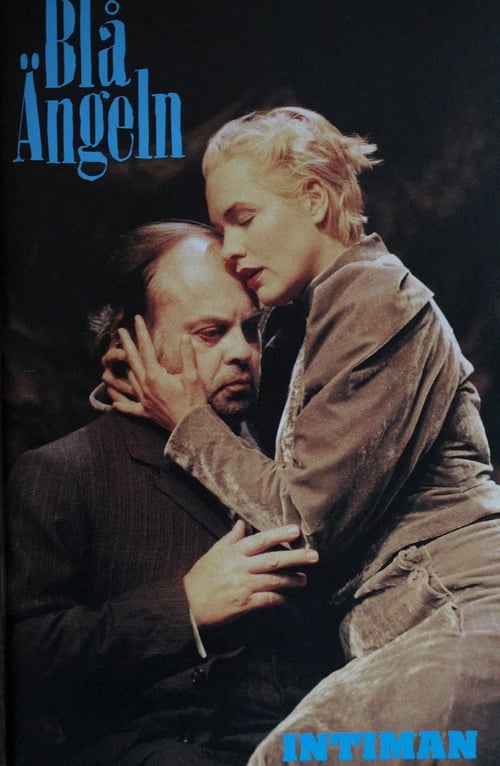
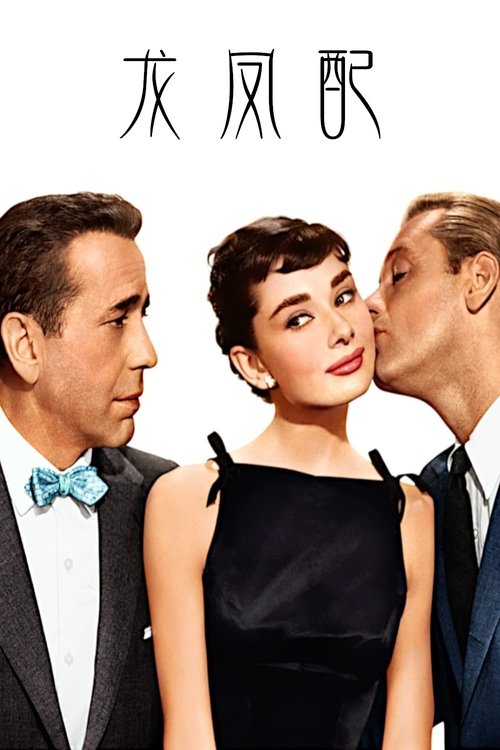
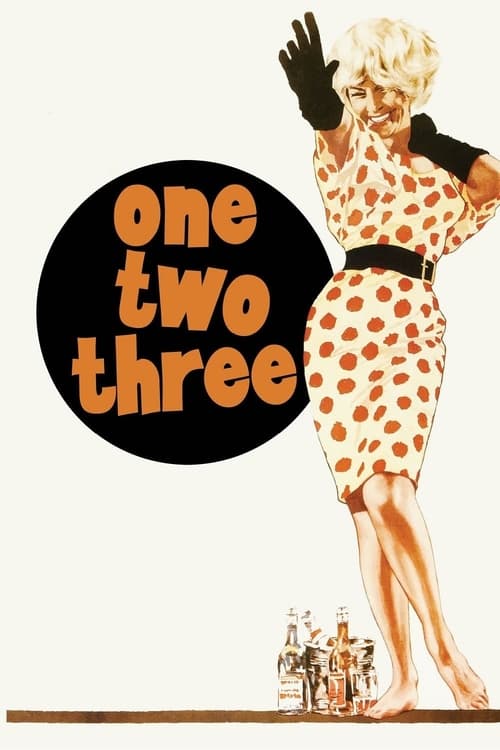
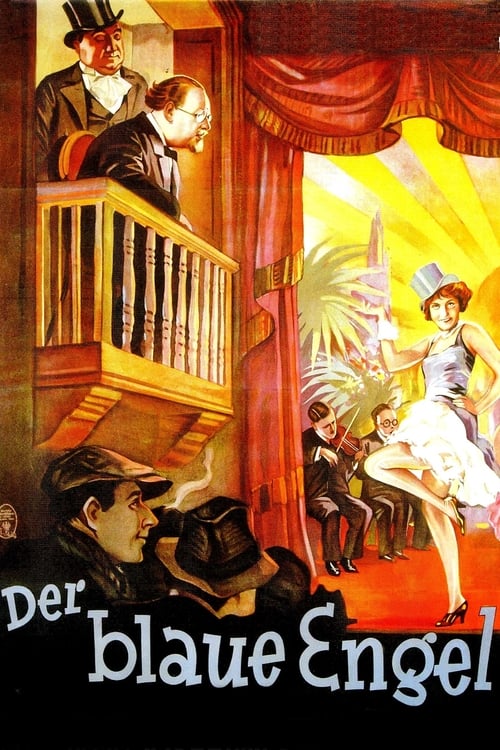
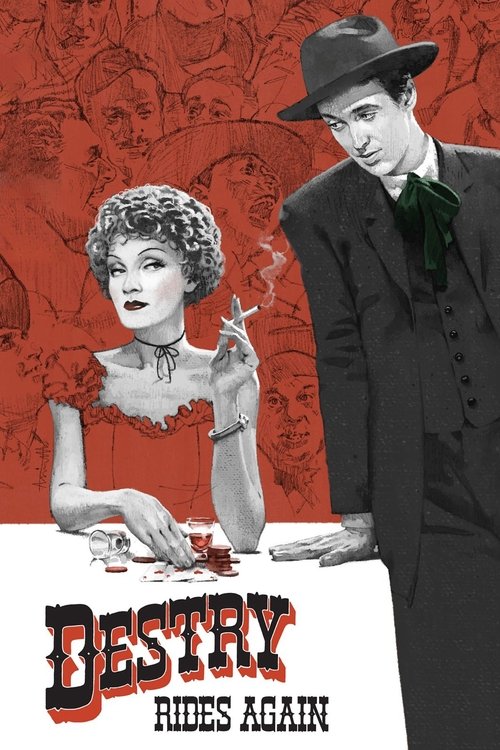
From Wikipedia, the free encyclopedia Friedrich Hollaender (in exile also Frederick Hollander; 18 October 1896 – 18 January 1976) was a German film composer and author. He was born in London, where his father, operetta composer Victor Hollaender, worked as a musical director at the Barnum & Bailey Circus. Young Hollaender had a solid music and theatre family background: his uncle Gustav was director of the Stern Conservatory in Berlin, his uncle Felix Hollaender was a well-known novelist and drama critic, who later worked with Max Reinhardt at the Deutsches Theater. In 1899 Hollaender's family returned to Berlin, his father began teaching at the Stern Conservatory, where his son became a student in Engelbert Humperdinck's master class. In the evening he played the piano at silent film performances in local cinemas, developing the art of musical improvisation. By the age of 18 he was employed as a répétiteur at the New German Theatre in Prague and also was put in charge of troop entertainment at the Western Front of World War I. Having finished his studies, he composed music for productions by Max Reinhardt and became involved in Berlin's Kabarett scene. Together with Kurt Tucholsky, Klabund, Walter Mehring, Mischa Spoliansky and Joachim Ringelnatz he worked in venues like Reinhardt's Schall und Rauch ensemble at the Großes Schauspielhaus or the Wilde Bühne led by Trude Hesterberg at the Theater des Westens in Charlottenburg, where he established the Tingel-Tangel-Theater cabaret in 1931. In 1919 he married the actress Blandine Ebinger, the couple divorced in 1926. Their daughter Philine later became the wife of the cabarettist Georg Kreisler. Hollaender had his final breakthrough, when he wrote the film score for The Blue Angel (1930), including the most popular song "Falling in Love Again (Can't Help It)", performed by Marlene Dietrich. He had to leave Nazi Germany in 1933 because of his Jewish descent[1] and first moved to Paris. He emigrated to the United States the next year, where he wrote the music for over a hundred films, including Destry Rides Again (1939), A Foreign Affair (1948), The 5,000 Fingers of Dr. T (1953 Academy Award nomination) and Sabrina (1954). Many of his songs were again made famous by Marlene Dietrich. He can be seen as the piano accompanist in A Foreign Affair (on the songs, "Black Market", "Illusions" and "Ruins of Berlin"). He received four Academy Award nominations for composition. As "Frederick Hollander", he also wrote the semi-autobiographical novel Those Torn From Earth, released in 1941, which details the flight from Germany that many Jewish members of the film industry embarked on after the Nazis came to power and instituted the Nuremberg Laws. In 1956 he returned to Germany and again worked for several years as a revue composer at the Theater Die Kleine Freiheit in Munich. He made a cameo appearance in Billy Wilder's film comedy One, Two, Three (1960) as a Kapellmeister. Hollaender died 1976 in Munich and is buried in the Obergiesing Ostfriedhof.

代表作

📜

全部作品

2001 Self (archive Footage)
1998 Music
1996 Music
1961 Conductor at Grand Hotel (uncredited)
1960 Original Music Composer
1955 Original Music Composer
1954 Original Music Composer
展开全部作品
1953 Original Music Composer
1953 Songs
1952 Original Music Composer
1951 Self
1951 Original Music Composer
1950 Original Music Composer
1950 Music
1949 Original Music Composer
1948 Piano Player at The Lorelei (uncredited)
1948 Original Music Composer
1947 Original Music Composer
1946 Original Music Composer
1945 Original Music Composer
1945 Additional Music
1944 Additional Music
1944 Original Music Composer
1944 Music
1943 Original Music Composer
1943 Music
1943 Additional Music
1942 Original Music Composer
1941 Accompanist (uncredited)
1941 Original Music Composer
1941 Music
1941 Original Music Composer
1940 Original Music Composer
1940 Songs
1940 Original Music Composer
1940 Music
1940 Original Music Composer
1940 Songs
1940 Songs
1939 Original Music Composer
1939 Songs
1939 Original Music Composer
1939 Music
1938 Music
1938 Original Music Composer
1937 Original Music Composer
1937 Music
1937 Original Music Composer
1937 Songs
1937 Original Music Composer
1936 Music
1936 Original Music Composer
1936 Music
1936 Music
1936 Songs
1936 Original Music Composer
1936 Music
1935 Original Music Composer
1933 Director
1933 Music
1933 Director
1933 Music Arranger
1933 Director
1932 Music
1932 Original Music Composer
1931 Vorsitzender der „Weißen Weste“
1931 Songs
1931 Music
1931 Original Music Composer
1930 Pianist (uncredited)
1930 Original Music Composer
1930 Music
1930 Original Music Composer
1930 Music
1926 Music Score Producer
1919 Music