António Campos

António Campos

Directing 1922-05-29 Leiria, Portugal

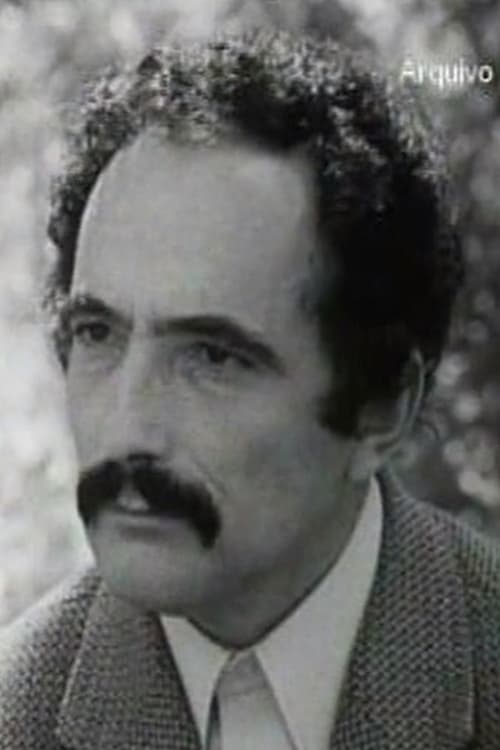
António Campos (29 May 1922 – 8 March 1999) was one of the pioneer filmmakers of visual anthropology in Portugal. Mainly using pure documentary techniques, he shot ethnographic films and tried docufiction. As well as in fictional films, he used the methods of direct cinema to portray the life of ancient human communities (ethnofiction) of his country. He started making films at the beginning of the sixties, at the same time as John Marshall (US) and Michel Brault (Canada). Without knowing much about Jean Rouch, he followed his steps in an original way. He integrated a troupe of theater amateurs and worked at a state department office in Leiria. He got a grant from the Calouste Gulbenkian Foundation in 1961, where he worked between 1970 and 1976, to study cinema in London. He took part in the 20th Century Film Festival, in Kracow, Poland. He was the delegate in Portugal for the International Federation of Art Film and a member of the International Union of Independent Filmmakers (UNICI). He started making films as an amateur. He shot ethnographic films with 16 mm light cameras and with no scientific purposes, like some of his Portuguese fellows, such as António Reis, Ricardo Costa or Pedro Costa, this one using small mini DV cameras, some years later. After the Carnation Revolution, he directed some theatrical fictional features in 35 mm, all with a strong anthropologic content. He was one of the representatives of the Portuguese Cinema Novo (or Novo Cinema), inspired by the French New Wave. His film Gente da Praia da Vieira (People of Praia da Vieira), 1976, is, together with Trás-os-Montes, by António Reis and Margarida Cordeiro, and with Mau Tempo, Marés e Mudança (Changing Tides), by Ricardo Costa, one of the first docufictions of Portuguese cinema. Shot on the same year, these films, in the same genre, are preceded by Acto da Primavera (Act of Spring), 1962, by Manoel de Oliveira, and Ala-Arriba!, 1948, by José Leitão de Barros, a contemporary to Robert Flaherty. These films may also be classified as ethnofictions.

代表作

📜

全部作品

2009 Himself (archive footage)
1993 Director
1992 Screenplay
1992 Director
1979 Director
1979 Screenplay
1978 Director
1978 Writer
1976 Director
1976 Director of Photography
展开全部作品
1975 Director
1974 Writer
1974 Editor
1974 Director
1974 Producer
1973 Location Scout
1971 Director
1971 Writer
1971 Producer
1971 Director of Photography
1971 Editor
1971 Sound Recordist
1967 Assistant Director
1965 Director
1965 Director of Photography
1965 Producer
1965 Writer
1965 Editor
1961 Director
1961 Producer
1961 Director of Photography
1961 Editor
1961 Writer
1961 Sound
1960 Editor
1960 Director of Photography
1960 Director
1959 Director of Photography
1959 Editor
1959 Writer
1959 Director
1958 Director